English
From reacting to anticipating. AI room assistance for hospitals, with measurably fewer falls.
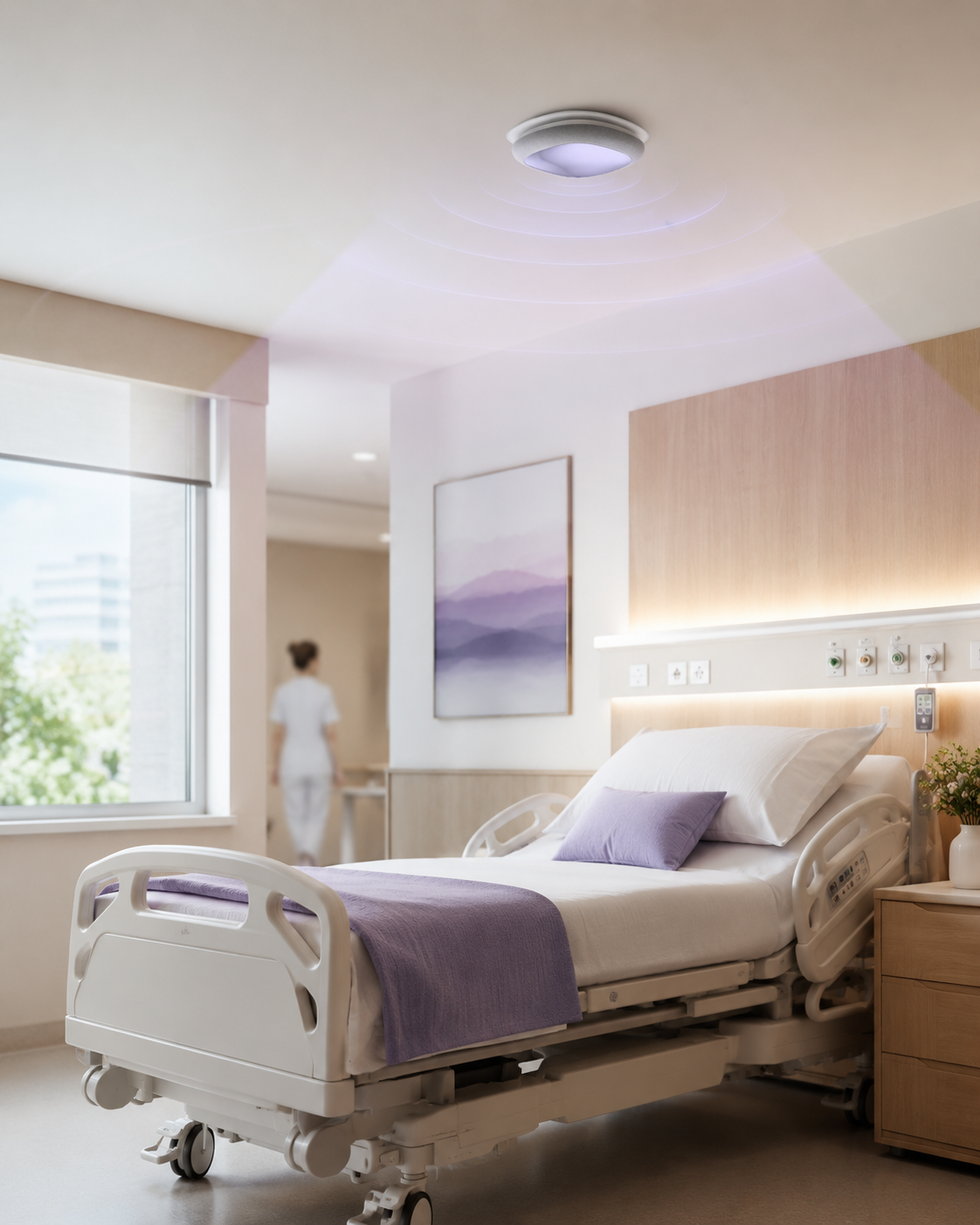
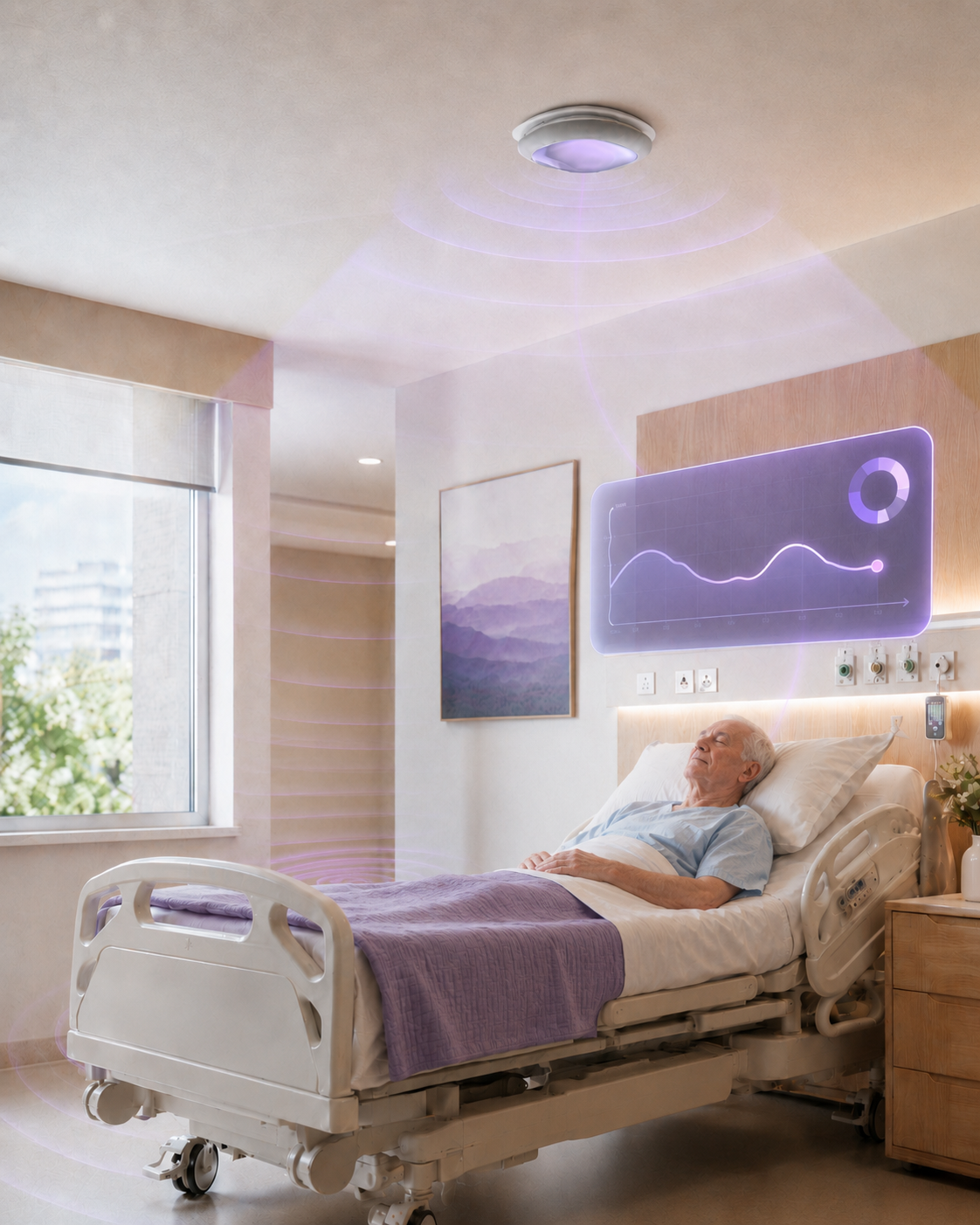
Livy Care supports care teams on geriatric, neurology and internal medicine wards: it detects critical situations early, documents automatically and alerts reliably, discreetly from the ceiling, with nothing for patients to wear.
Leading hospital groups rely on Livy Care



Where delirium, dementia and immobility drive fall risk.
Delirium
An acute state of confusion that appears suddenly after surgery, lasts for days and comes with agitation, disorientation and a heightened risk of falling.

Dementia
Affects a growing number of patients, causes disorientation, raises fall risk and ties up considerable nursing effort, especially at night.

Immobility
Often the result of illness in older age. It costs independence, raises fall risk and makes rehabilitation harder, from repositioning to getting patients moving again.
Three focus areas that make the difference in daily hospital work.
Fall prevention and fall monitoring
Livy Care detects the warning sign, not just the event. Restlessness in bed, sitting on the edge of the bed, a long absence from the room and the fall itself are all detected and reported early, discreetly from the ceiling and without pressing a button.
- Early warning in four stages, from the first signal to the fall
- Acoustic call-for-help detection, even when no one can ring the bell
- Complete documentation of every event
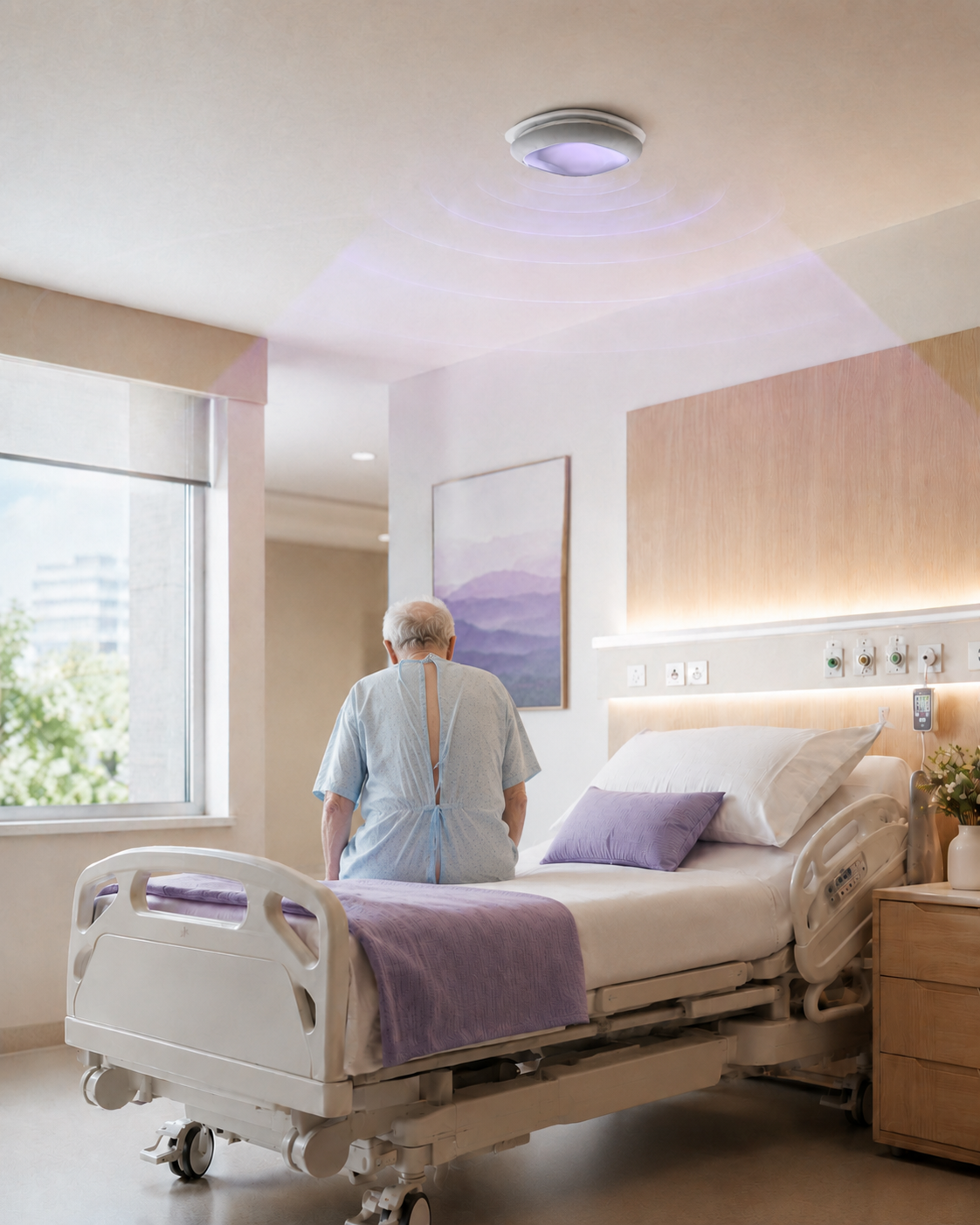
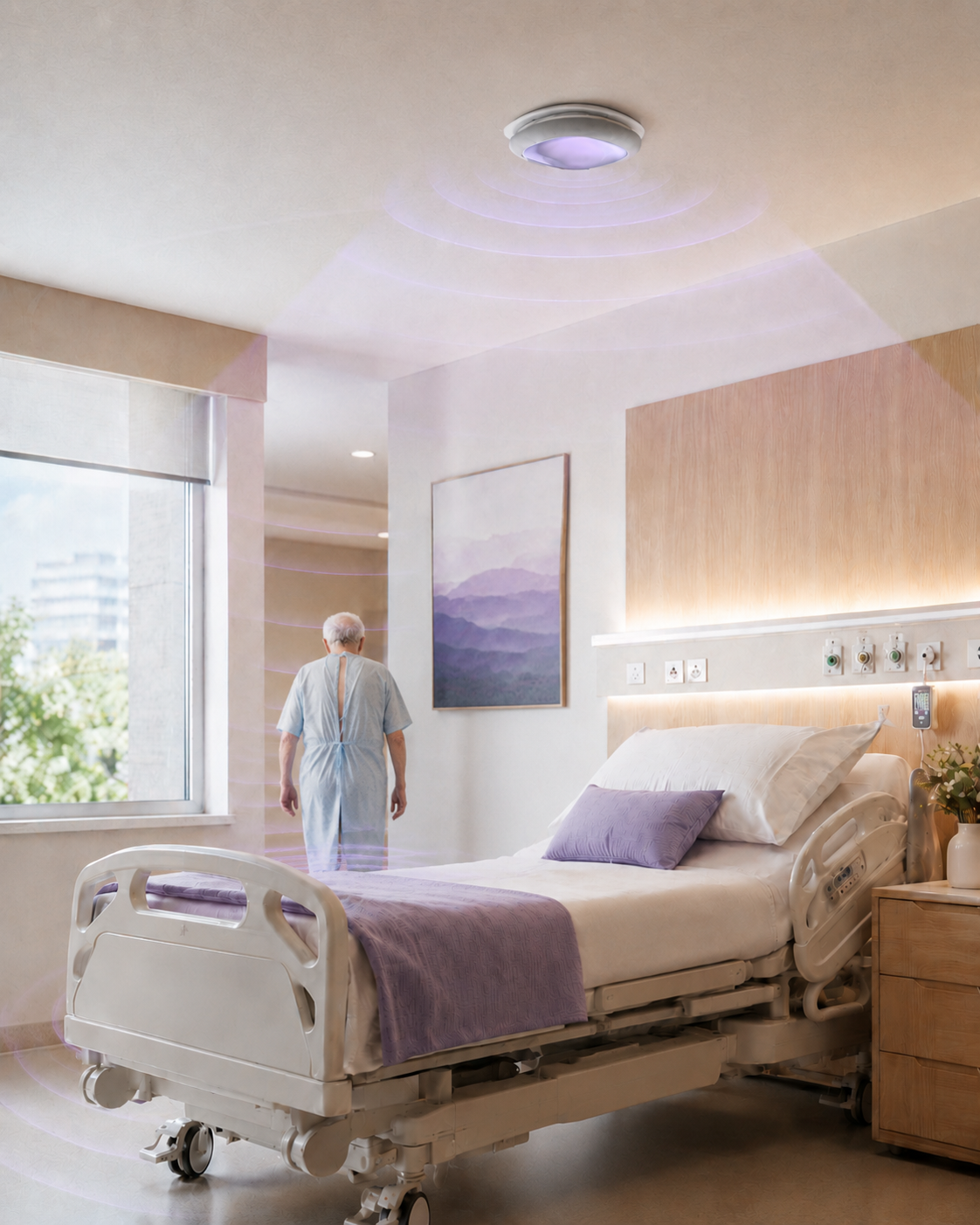
Ease one-to-one watches, detect when patients leave the room
In old-age psychiatry and geriatrics in particular, there are not enough staff for continuous one-to-one watches. Livy Care alerts when an at-risk patient leaves the bed or the room, providing safety where constant presence is simply not feasible.
- Targeted alerts instead of fixed check rounds
- Relief for dementia and delirium teams
- A calmer night shift
Blood glucose monitoring without manual measurement
On internal medicine wards with new diagnoses and difficult glucose control, manual glucose recording takes up time. Livy Care integrates glucose sensors, documents automatically and flags critical readings early.
- No manual recording, automatic transfer into the records
- Early alerts for hyperglycaemia and hypoglycaemia
- More safety when adjusting a new regimen
The four stages of AI room assistance.
Ceiling-mounted sensors, AI analysis and seamless integration with your nurse call system and hospital information system. Four stages, from detection to decision.
Safety around the clock
- Real-time fall detection
- Acoustic call for help without a button press
- Early warning when patients leave the bed
- Discreetly from the ceiling, no wearable
Automatic documentation
- Blood glucose without manual measurement
- Vital signs after every measurement
- Repositioning and positioning prompts
- Activity profiles across day and night
Staff efficiency in daily work
- Fewer check rounds at night
- Need-based alerting
- Relief from pressure and strain
- More time with patients
Decision support
- Spot risk patterns early
- A data basis for case reviews
- Metrics for quality management and providers
- Proactive rather than reactive
Fits into your existing IT.
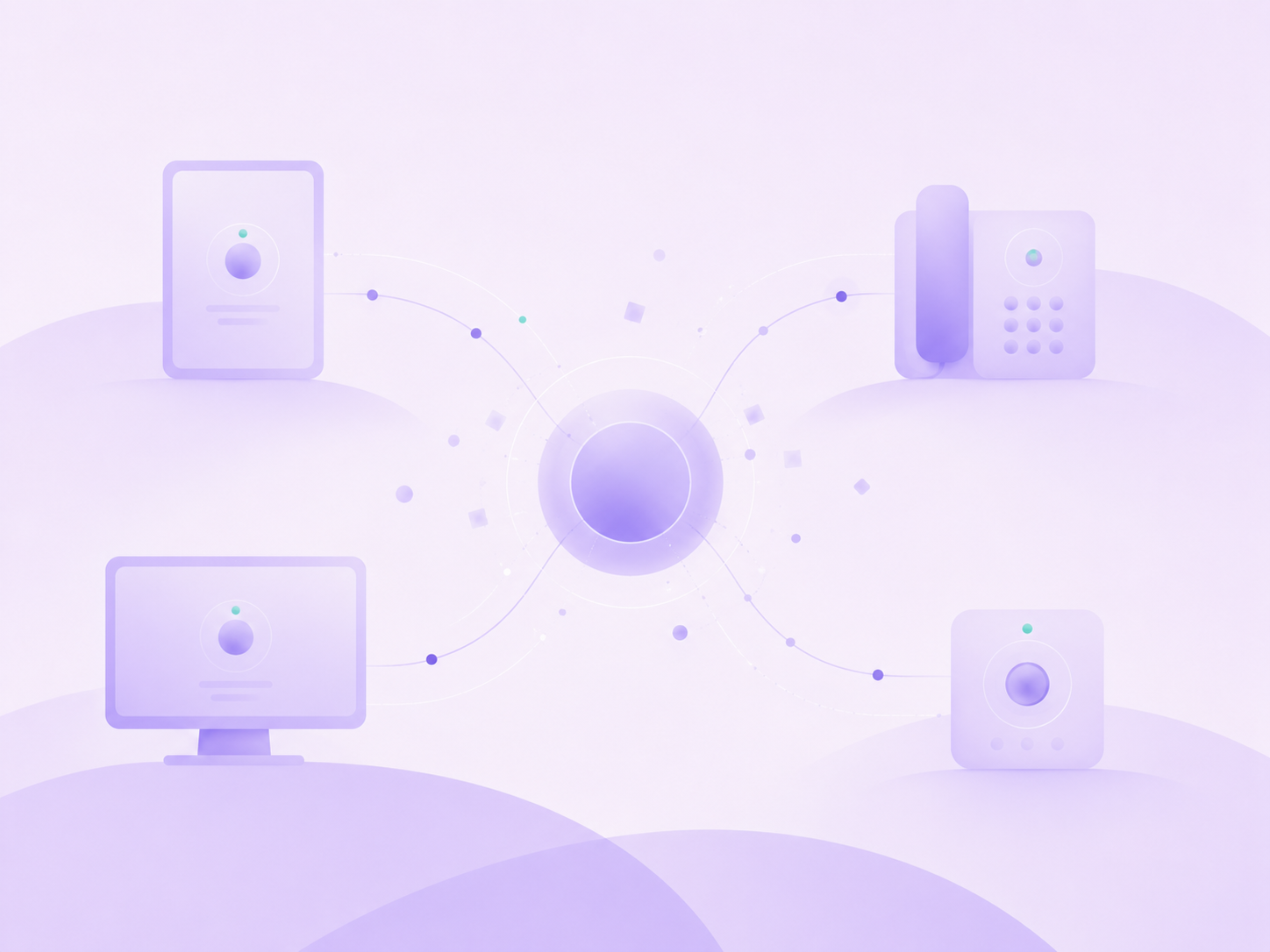
Notify through existing channels
Alerts reach your team wherever they already look.
Open interfaces
Connects to nurse call systems and hospital or care systems via REST API, MQTT and ESPA.
The highest standards
C5-compliant, privacy by design, servers in Germany.
Proven in geriatrics at the MEDICLIN group.
.jpeg)
Thanks to the immediate call-for-help detection, a patient who was clinging to the edge of the bed with her last strength was helped in time. A fall was prevented.
A prevented fall is also a financial factor.
In a hospital, a fall weighs heavier than in long-term care. It affects length of stay, follow-up costs and quality, all three at once.
Length of stay in focus
A fall-related injury extends bed occupancy. Under DRG case-based payments, every additional day feeds straight through to the cost side.
Avoid complications
In-hospital fall consequences trigger additional care. Early detection noticeably lowers that risk.
Reliable metrics
Objective data on fall rates and response times, comparable across sites, strengthens both quality and public image.
Studies show that Livy Care works and eases the load.
Let's talk about your wards.
First we listen. Then, using your occupancy and ward figures, we work out together what Livy Care can concretely deliver for your hospital.