







A care worker on night shift looks after fifty residents. One round takes four hours. Falls happen unnoticed. Documentation eats up a significant part of every shift. Relatives become the silent reserve of a system that would have collapsed long ago without their unpaid work. And the only political answer is still the same: more staff, more money, more contributions.
But this calculation no longer adds up.
In almost every OECD country, hundreds of thousands of care workers are already missing, and the gap keeps growing. The number of people in need of care continues to rise. Out-of-pocket costs are reaching the limit of what many families can afford. Long-term care funds and healthcare systems are coming under pressure. Municipalities and public budgets carry growing social burdens. At the same time, it is becoming ever harder to scale care through human working hours alone.
The problem is not only that staff are missing. The problem is that every unrecognized situation, every unnecessary checking round, every manual entry and every delayed response makes the system even more expensive.
Care becomes unaffordable if it continues to be organized as though there were unlimited staff, unlimited time and unlimited money.
Anyone who acknowledges this has to think differently.
Not every room needs constant human monitoring. But every room needs to become safer. Not every observation needs a round. But critical events need to be recognized. Not every record needs to be created afterwards at a desk. It needs to be created where care actually happens.
What can exist are rooms that think along.
Rooms that see what care workers cannot see. Rooms that recognize falls, calls for help and risky situations. Rooms that document while care is being given. Rooms that relieve care workers instead of monitoring them. Rooms that keep care sustainable, because they direct the scarcest resource, well-trained care workers, to where they are truly needed.
This is not a matter of innovation for its own sake. It is an answer to the central question of the coming years:
How do we preserve care quality when staff, time and money all become scarcer at the same time?
AI room assistance does not replace a care worker. It replaces blind spots, unnecessary trips, delayed responses and avoidable documentation load.
That is precisely where its economic significance lies.
When the care system tips over, it will not be the most expensive solution that survives. It will be the one that makes existing care workers more effective, recognizes risks earlier and organizes care with less friction.
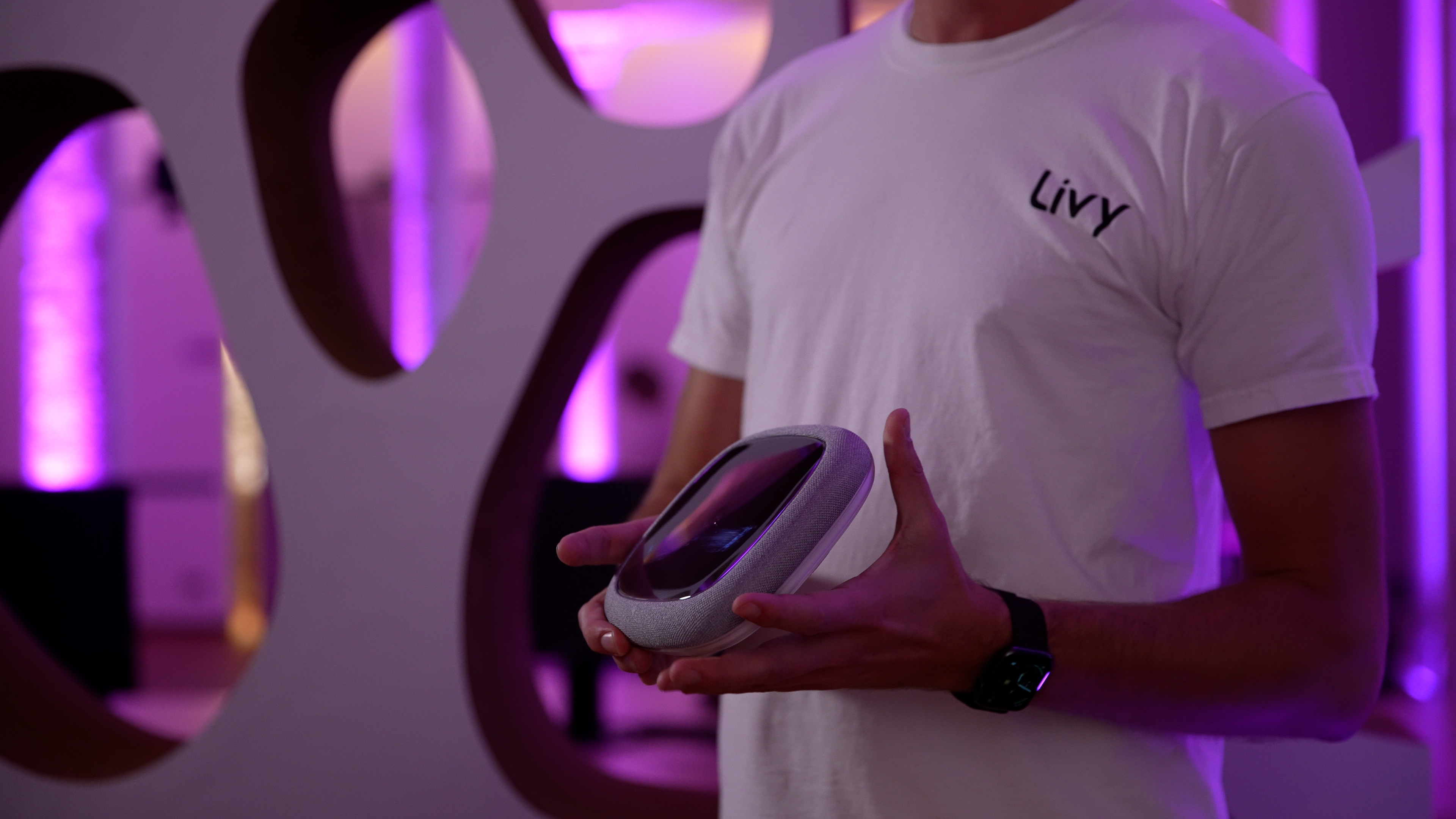
That is AI room assistance. That is Livy Care.